

 English
  French
  German
  Spanish
  Italian
ECMA and Pro Carton are delighted to introduce an article from our main sponsor of the 2025 European Carton Excellence Award
Navigating Retail Transformation Through Digitalisation and Innovation
Navigating Retail Transformation Through Digitalisation and Innovation
The retail landscape is evolving rapidly, shaped by shifting consumer behaviour and the accelerating pace of digitalisation. Traditional shopping habits are being replaced by more spontaneous, impulse-driven decisions, with consumers increasingly expecting convenience, speed, and personalised experiences. At the Point of Sale (POS), this means that brands must move beyond static displays and transactional interactions to create dynamic, responsive environments that reflect the values and preferences of modern shoppers.
While the consumer remains the ultimate decision-maker, their choices are now influenced by a complex web of digital touchpoints. Mobile apps, social media, and real-time data all contribute to a purchasing journey that is less linear and more fluid. Retailers must adapt by integrating digital tools that enhance the customer experience and streamline operations.
Digitalisation and Its Impact on the Labor Market
One of the most significant consequences of digital transformation is its effect on the labour market. Automation, artificial intelligence, and data analytics are reshaping roles across the retail and packaging industries. Routine tasks are increasingly handled by machines, while human workers are required to develop new skills in data interpretation, system management, and customer engagement.
This shift presents both challenges and opportunities. On one hand, there is a growing need for reskilling and workforce adaptation. On the other, digitalisation enables more efficient resource allocation, and smarter supply chain management. These improvements lead to cost savings, reduced waste, and more agile production cycles.
Data-Driven Optimisation in Packaging
Data collection and analysis play a central role in optimising packaging processes. By leveraging real-time insights into consumer preferences, purchasing patterns, and logistical performance, companies can design packaging that is not only functional but also aligned with sustainability goals. For example, data can reveal which materials perform best under specific conditions, or which formats reduce transportation costs and environmental impact.
This data-centric approach also supports the development of more sustainable packaging solutions. Rather than relying solely on regulatory mandates or consumer pressure, companies can use empirical evidence to guide innovation. This includes identifying opportunities to reduce material usage, improve recyclability, and enhance product protection, all while maintaining cost-effectiveness.
Collaboration and Innovation Across the Value Chain
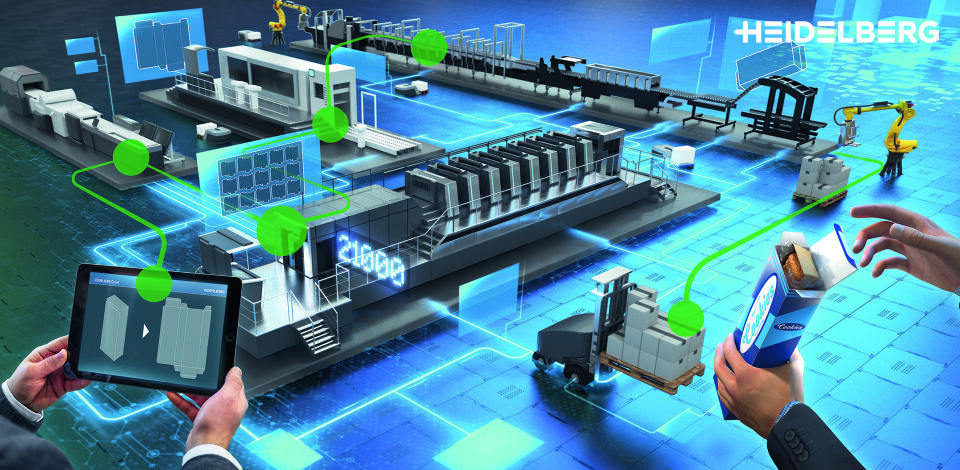
Digitalisation fosters collaboration across the packaging value chain. Cloud-based platforms, shared databases, and integrated planning tools allow manufacturers, suppliers, and retailers to work together more effectively. This interconnectedness accelerates innovation and enables faster responses to market demands.
Moreover, digital tools can help navigate the complexities of international legislation. By standardising data formats and compliance tracking, companies can more easily adapt to varying regulatory environments and ensure that packaging solutions meet global standards.
Conclusion
The convergence of changing consumer behaviour, digital transformation, and sustainability imperatives is reshaping the retail and packaging industries. While the Point of Sale remains a critical touchpoint, its role is now intertwined with broader technological and operational shifts. By embracing digitalisation, businesses can not only enhance customer experiences but also drive efficiency, foster innovation, and contribute to more sustainable production practices. The future of retail and packaging lies in collaboration, where every decision is informed, agile, and aligned with both market needs and environmental responsibility.
For more information visit: www.heidelberg.com